
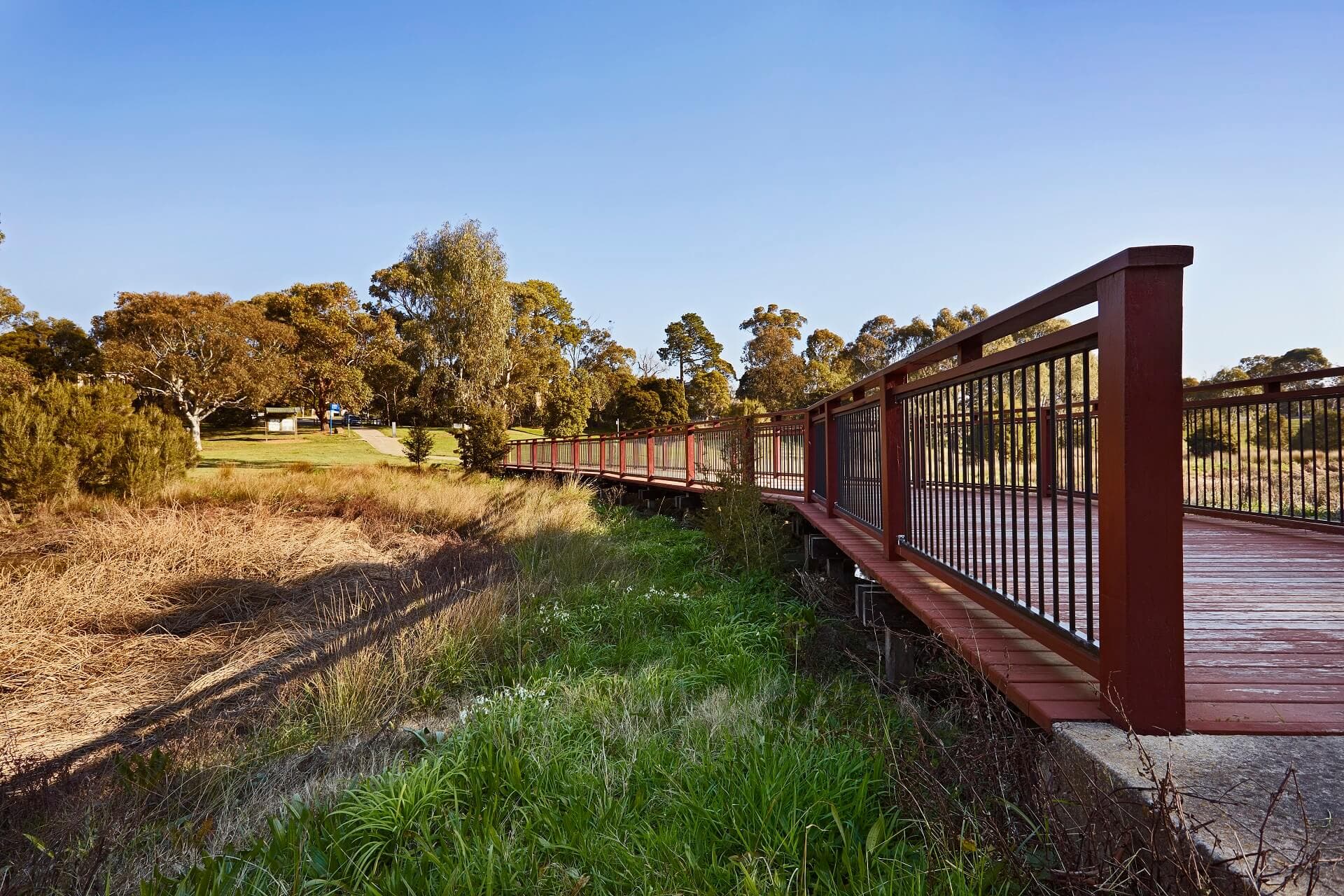
Describe the site before choosing a fishway type
Give the waterway name, location and a short description of the existing barrier. Say whether you are investigating a new fishway, rehabilitation of an existing installation or a fishway within wider waterway works. Include available plans, photographs and assessment reports so the project team can see what has already been established.
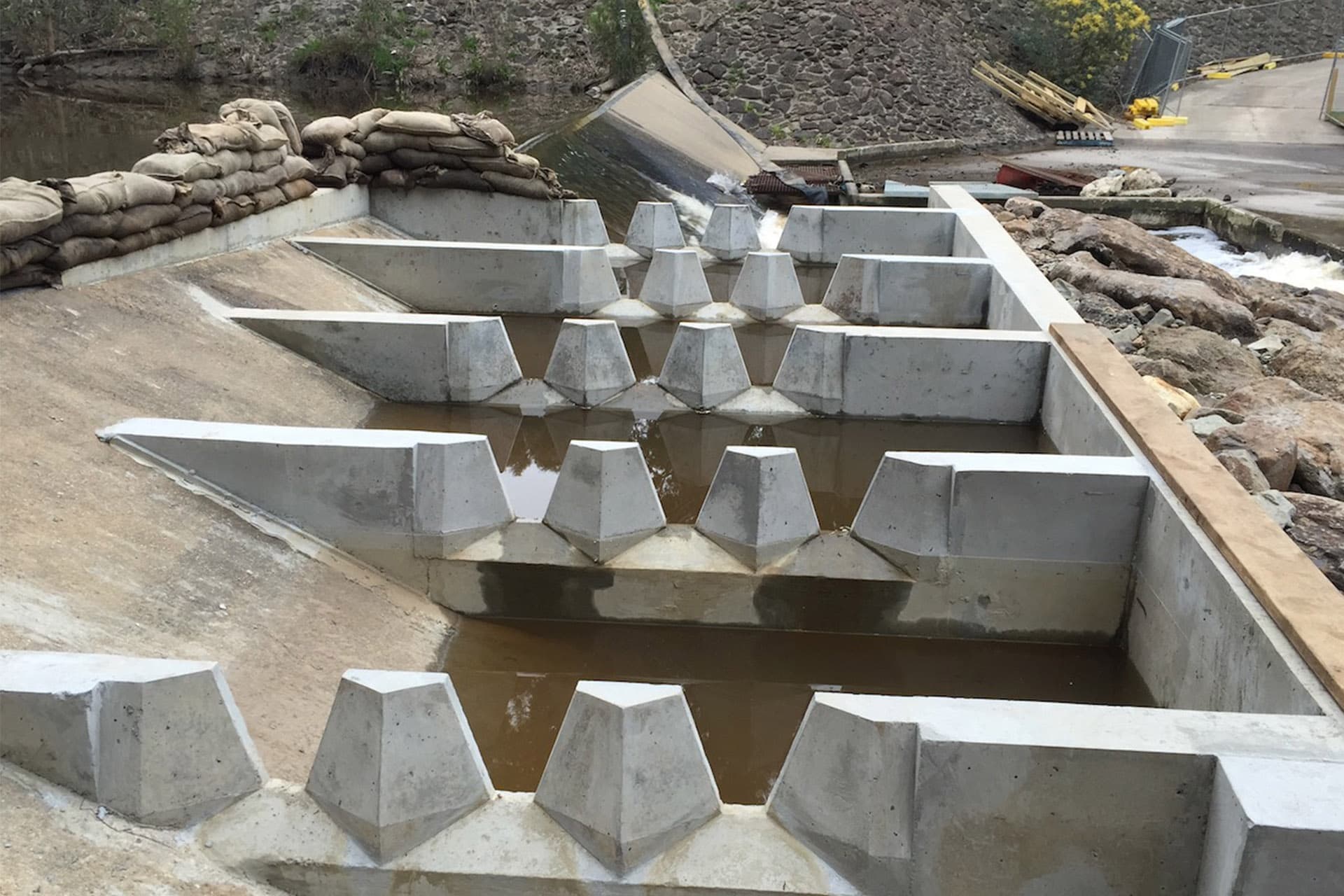
Greenworks has construction and rehabilitation experience with pool-type fishways, including vertical-slot structures, and rock-ramp fishways. If a type has been recommended, share the recommendation and its design status. If it has not, record that as an open design question rather than selecting a structure from a project photograph.
Make responsibilities and drawing status clear
Identify the client, natural resource manager, designer and construction contractor involved. Share the latest drawings and specifications, noting their revision and whether they are ready for construction or still under development. Ask the construction team which gaps need to be resolved before they can confirm scope, methodology and pricing.
Keep design decisions with the responsible specialists. The brief should make ecological and hydraulic design responsibilities visible, alongside the construction scope, so an unresolved decision is not mistaken for an agreed inclusion.
Explain access, other works and timing
Show how the construction area can be reached and flag nearby assets or public access that may affect the works. Note any interfaces with earthworks, existing concrete or rock structures, or another contractor’s programme. Where information is unavailable, identify who will obtain it.
Give your preferred programme and distinguish it from confirmed dates. Include outstanding drawings, approvals and access arrangements as dependencies, then ask what is needed for the next stage of review.
Send a brief the team can respond to
A useful first enquiry brings together the site location, project objective, available documents, key contacts and the decision you need help progressing. For example, you may want to discuss the construction scope of an existing design or the information needed before a site review.
Explore Greenworks’ fishway construction experience and the Thomson River fishway case study, then contact the team with your project information.